Change of Address Checklist: Who to Tell When You Move
USPS first, then utilities, banks, your employer, the IRS and your state's DMV. A change of address checklist you can finish in one sitting.
 By Victoria · October 27, 2026 · 3 min read
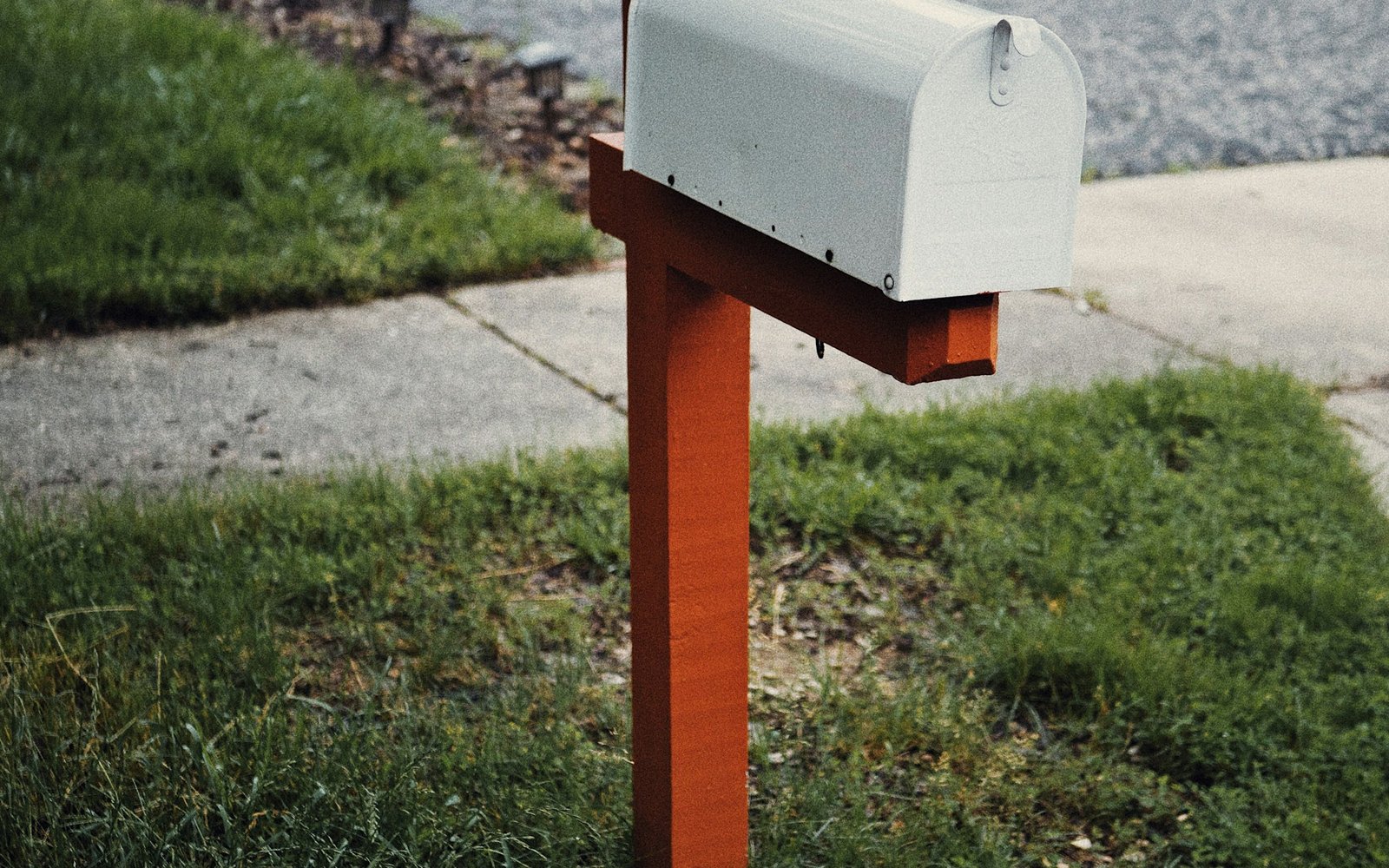
The paperwork of a move isn't hard. It's just long. You have 20 or more organizations to tell, each with its own form, and mail that keeps arriving at the old address until you do.
One sitting with a list beats doing it in pieces as mail chases you to the wrong address. Here's the list, in order.
When to do it
Start about 2 weeks before moving day, when the date is firm. It's one of the items on our 8-week moving checklist. Block 1 or 2 hours with a cup of coffee and your laptop.
Keep the account numbers, login details and phone numbers in a safe place, such as a password manager or a private notebook. Don't share them or post them anywhere.
Step 1: USPS first
Change your address with the Postal Service on usps.com/move or at a post office. It catches whatever you forget in the rest of this list. Be careful with look-alike websites that charge extra fees. The official site is usps.com.
Step 2: Utilities, at both ends
Call or go online for each:
- Electric, gas and water
- Internet and cable
- Trash and recycling, if it's a separate service
Ask for a stop date at the old place and a start date at the new one, so you're not paying twice or arriving to no power. On moving day, photograph every meter with the date showing, at both homes. It settles any disputed final bill.
Step 3: Everyone else, in one sitting
Work down this list and check each one off:
- Bank and credit cards
- Your employer or payroll
- Health, car, home or renters insurance
- Doctors, dentist and pharmacy (and transfer records if you're changing providers)
- Subscriptions and memberships
- Online shopping accounts, so orders don't go to the old address
- School or child care
- Your phone provider
This is the kind of job that benefits from a brain dump: write everything you can think of first, then sort it into "online today," "call this week" and "needs a form."
Step 4: Government
- IRS. Form 8822 changes your address with the IRS, so any letter or refund reaches you. Find it at irs.gov.
- Driver's license and vehicle registration. States set their own deadlines after a move, often within a few weeks. Check your new state's DMV site.
- Voter registration. Update it in your new state or county.
Step 5: The stragglers
Keep a page by the door and write down every piece of mail that still arrives for the old address, along with who sent it. A few weeks after the move, work through that list. It's a short job once the big ones are done.
Make it a shared job
If more than one adult lives in the home, split the list. Hand over whole sections, not "can you help with the address stuff." Whoever usually holds everything in their head is carrying the mental load, and a move is a good time to share it. A realistic plan for the day, like in plan a realistic day, helps keep it from taking over.
Put the list on paper
The Moving Workbook has a "Who needs your new address" page you can work down in one sitting, a utilities page for both ends, a mail and stragglers page and a meter readings page. All in 34 fillable pages, along with the countdown, a box inventory and a first-2-weeks list.
Starting smaller? Get the free Moving Checklist, an 8-week countdown.
Which one will you do before the end of the week?
Questions people ask
What should I do first?
Change your address with USPS. It forwards what you forget, which makes it a safety net while you work through the rest. Use usps.com/move or a post office, and watch out for look-alike sites that charge extra.
How do I change my address with the IRS?
File Form 8822, Change of Address, with the IRS. Details are at irs.gov. That way any letter or refund reaches you.
How soon do I have to update my driver's license?
States set their own deadlines after a move, often within a few weeks. Check your new state's DMV website for the exact rule.