How to Keep Your Pet's Health Records (Vaccines, Vet Visits and Meds)
The vet asks when the last shot was and you can't remember. Here is what to keep for each pet, how to track due dates, and how to share the daily routine.
 By Victoria · October 27, 2026 · 3 min read
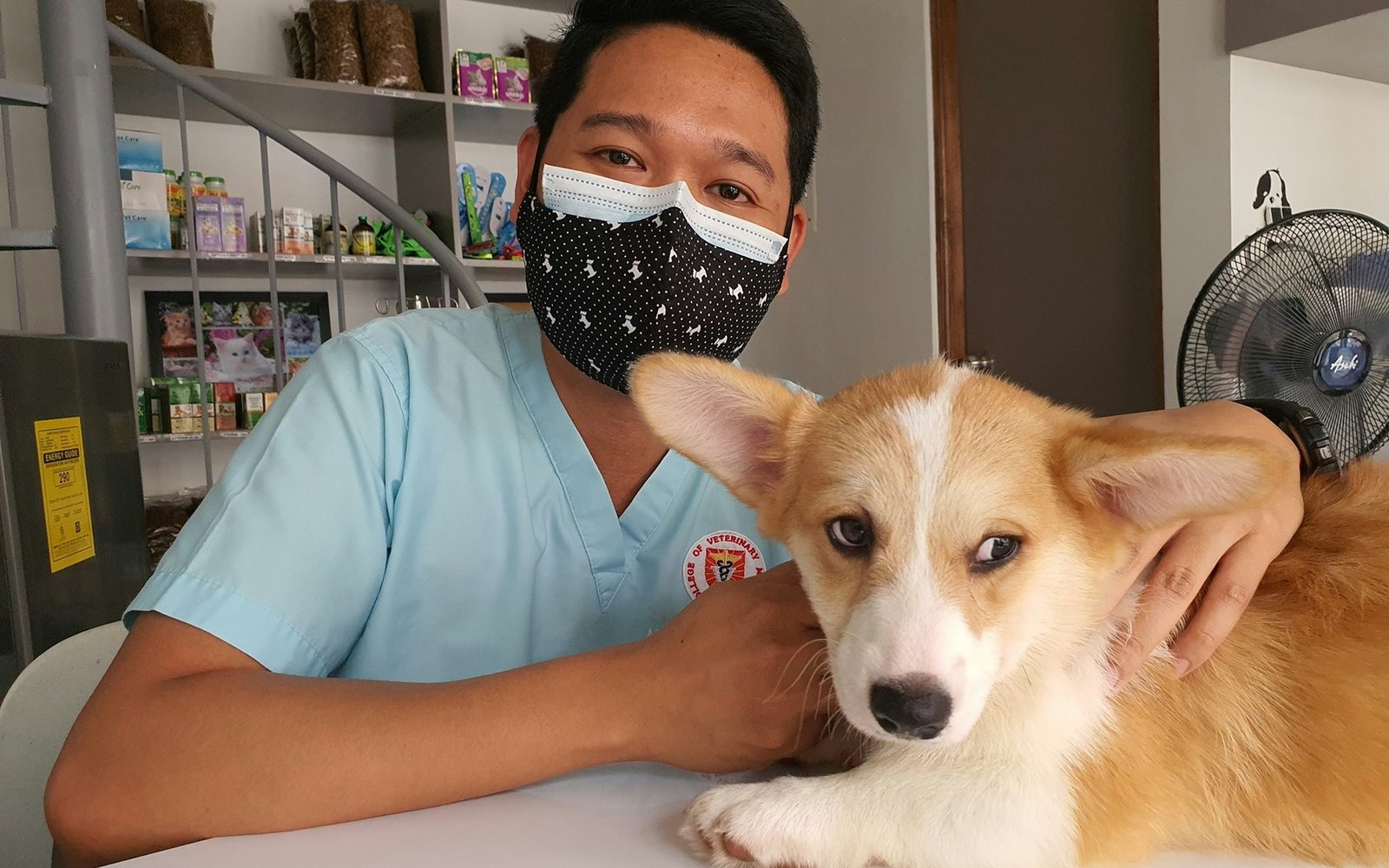
The vet's office asks when your dog last had a rabies shot. You say "last spring, I think." They look at you kindly. Somewhere there's a paper from the clinic, or an email, or a photo on your phone. Not here, though.
Pet records live in too many places: the clinic's portal, a drawer, your partner's memory. A single page for each pet makes the vet visit, the boarding form and the 11 p.m. "is this normal?" worry easier. Here's what to keep.
A profile for each pet
Start with the basics, once, in one place:
- name, species and breed, and birthday
- microchip number
- your vet's name and phone number
- the emergency or after-hours vet, and the number
- insurance details, if you have them
- the food they eat
- allergies or conditions
The emergency vet number is the one to fill in today, while you're calm. You don't want to be searching for it at night.
Vet visits
For every visit, write 4 things: the date, the reason, what was done and what's next. Add the cost if you like. Next time you see a different vet, or the clinic loses a file, you can hand them the history.
Vaccines and medications, with next-due dates
This is the page that earns its place. For each vaccine or medicine, write:
- which pet
- the name
- the date given
- the dose
- when it's next due
- a short note
The next-due date is the whole point. A list of what's been done tells you the past. A next-due date tells you what to do. Put each one in your calendar too, with a reminder a week ahead. Your vet can tell you the schedule that fits your pet. Don't guess from what worked for another animal.
A weight log
Some owners note their pet's weight every now and then: the date, the weight and a short comment. If the number moves over months, that's something to mention to your vet. This is a record, not a diagnosis. Anything that worries you belongs with a vet.
Who feeds, who walks
In a house with more than 1 person, the daily routine becomes a quiet source of friction: did anyone feed her? Did he get his medicine? A weekly care page with a box for each feeding, walk and medication solves it. Check it when you do it, and the question answers itself.
It also helps when you're away. A pet sitter can follow a page better than a verbal handover.
If you're the person who keeps all of this in your head, it's part of the mental load, and it counts as work. Writing it down is one way to share it. And when the whole house feels like too much, overwhelmed at home has ideas for what to do first.
One file for the whole household
The Pet Care Tracker is one of 14 trackers in The Tracker Collection. It has a profile page for each pet with the microchip number and vet's phone, a vet visit log, a vaccines and medications page with next-due dates, a weekly care page and a weight log. You can type in it on screen or print it on US Letter. It's a tracking tool for your own records and doesn't replace advice from your vet.
If you'd like to start before buying anything, a 10-minute brain dump of everything pet-related will show you what's missing.
Try this today
Write down your vet's phone number and the emergency vet's number, and put them somewhere you can find at night. When was your pet's last vaccine?
Questions people ask
What should be in a pet's health record?
Name, species and breed, birthday, microchip number, your vet's name and phone, any allergies or conditions, vaccine and medication dates, each vet visit with what was done, and the emergency vet's number.
How do I keep track of when vaccines are due?
Write the date given and the next-due date side by side, then put the next-due date in your calendar. Your vet can tell you the schedule that fits your pet.
Should I keep a record of my pet's weight?
Many owners find it useful, since a change over time is something to mention to your vet. A date, the weight and a short note is enough.
How do I keep a household on the same page about feeding and walks?
A weekly care page that shows who feeds and walks when, with a box to check each time, stops the 'did you feed the dog?' question and prevents double feeding.