Overwhelmed at Home? What to Do When Everything Feels Like Too Much
Laundry, meals, appointments, everyone's questions. Why home overwhelm builds, what to do in the moment, and how to make the load lighter for good.
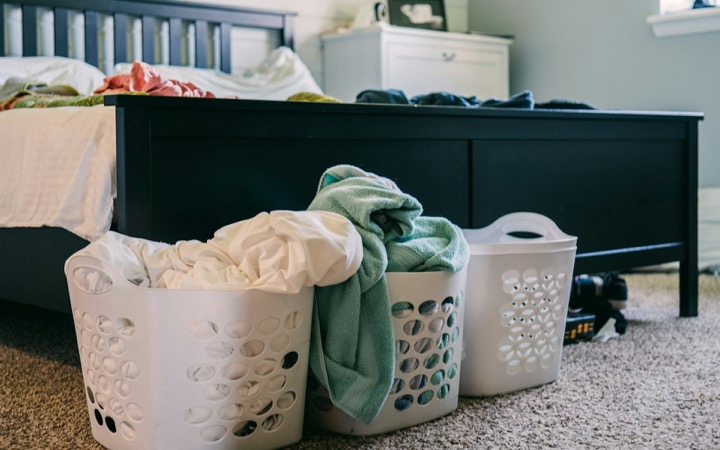
The laundry basket is full again. Someone needs a form signed by tomorrow. Nobody knows what's for dinner, except that you're supposed to. The dishwasher needs emptying, the dentist needs calling, and somebody just asked you where their shoes are.
None of it is hard. All of it together is too much. Here's why home overwhelm builds the way it does, what to do in the moment, and how to make the load lighter for good.
Why home feels heavier than it looks
Housework has a part nobody sees. Researchers who study it describe a thinking layer on top of the doing: noticing what's needed, weighing the options, deciding, and keeping track of whether it happened. Folding the laundry is visible. Noticing that nobody has clean socks, deciding when to do a load and remembering to move it to the dryer is not.
That invisible layer is the mental load. In many homes one person carries most of it, and it never clocks out. It's why you can feel exhausted on a day when you "didn't do much."
And asking for help is harder than it sounds. In a 2025 Harris Poll, three in four US adults said they'd like to hand at least one task to someone else, but fewer than one in ten regularly delegated everyday tasks. Forty-four percent said they avoid asking so they won't be a burden.
In the moment: calm first
When everything hits at once, your body goes on alarm: a tight chest, a short fuse, the urge to snap or cry. Under stress, the parts of your brain that plan and prioritize work less well. That's why everything looks equally urgent, and why making a list right then feels impossible.
So settle your body before you try to sort anything:
- Sigh it out. Breathe in through your nose, then take a second short sip of air on top. Let it out slowly through your mouth. Repeat for a minute or two.
- Feet, seat, hands. Feel your feet on the floor and your hands on something solid. Name five things you can see.
- Say it plainly. "I'm overwhelmed. That's information, not an emergency."
In a 2023 Stanford study, five minutes a day of this kind of breathing lifted mood more than the same time spent on mindfulness meditation. Two minutes is a good start.
Then: get it out of your head
Once you're calmer, set a timer for ten minutes and write down everything on your mind: errands, appointments, repairs, worries. Don't sort it yet. Our guide to doing a brain dump has prompts for when you run dry.
Then sort each item: this week, later with a date, someone else, or let it go. Never let go of anything to do with safety, health, bills or legal deadlines, but almost everything else is negotiable.
Make the load lighter for good
Hand over whole tasks
"Can you take out the trash?" moves one task. "From now on, the trash is yours, including knowing when it goes out" moves the whole thing, noticing included. Then don't inspect how they do it. Inspecting is how a task comes back to you. Here are more scripts for handing things over.
Decide the repeat things once
Dinner, laundry days, the busy-day outfit, how you answer invitations. Every one of them is a question you answer over and over. Decide each once, write it down, and stop deciding daily. We've written a whole piece on decision fatigue and how defaults help.
Lower the bar on purpose
Clean enough, not spotless. Counters clear and the sink empty before bed, and everything else waits for one weekly reset. Choosing what gets the good-enough version is what stops everything getting your best.
Keep a weekly reset
Fifteen minutes, same time each week: add anything new to your list, sort it, look at next week's calendar, and pick one thing per day that matters. It's what keeps the pile from quietly growing back.
When it's more than overwhelm
If you feel this way most days for weeks, if rest doesn't help, or if you've started to feel numb or hopeless, it may be more than a busy season. Read the signs of burnout, and please talk to a doctor. In a crisis in the US, call or text 988.
One thing to do today
Next time it all hits at once, do the two-minute settle before anything else. Then pick one task to hand over, completely, this week.
Questions people ask
Why do small things set me off when I'm overwhelmed?
When you're already stretched, your stress response is running high, and the parts of your brain that plan and stay calm work less well. A spilled drink isn't the problem; it's the last thing on a very full plate. Settling your body first helps more than telling yourself to calm down.
How do I ask my family for more help without a fight?
Hand over whole tasks, including the remembering, and say it once, clearly: "From now on, the trash is yours, including knowing when it goes out." Then don't check how they do it. See our scripts for saying no without guilt.
Is feeling overwhelmed at home a sign of something more serious?
It can be. If you feel this way most days for weeks, aren't sleeping, or feel hopeless, please talk to a doctor. Anxiety, depression, burnout and thyroid problems can all feel like overwhelm. In a crisis in the US, call or text 988.