Where to Start Decluttering When Your Whole House Feels Like Too Much
Don't know where to start decluttering? Start small: one drawer, 15 minutes, a timer. A simple order that builds momentum before the hard rooms.
 By Victoria · October 27, 2026 · 2 min read
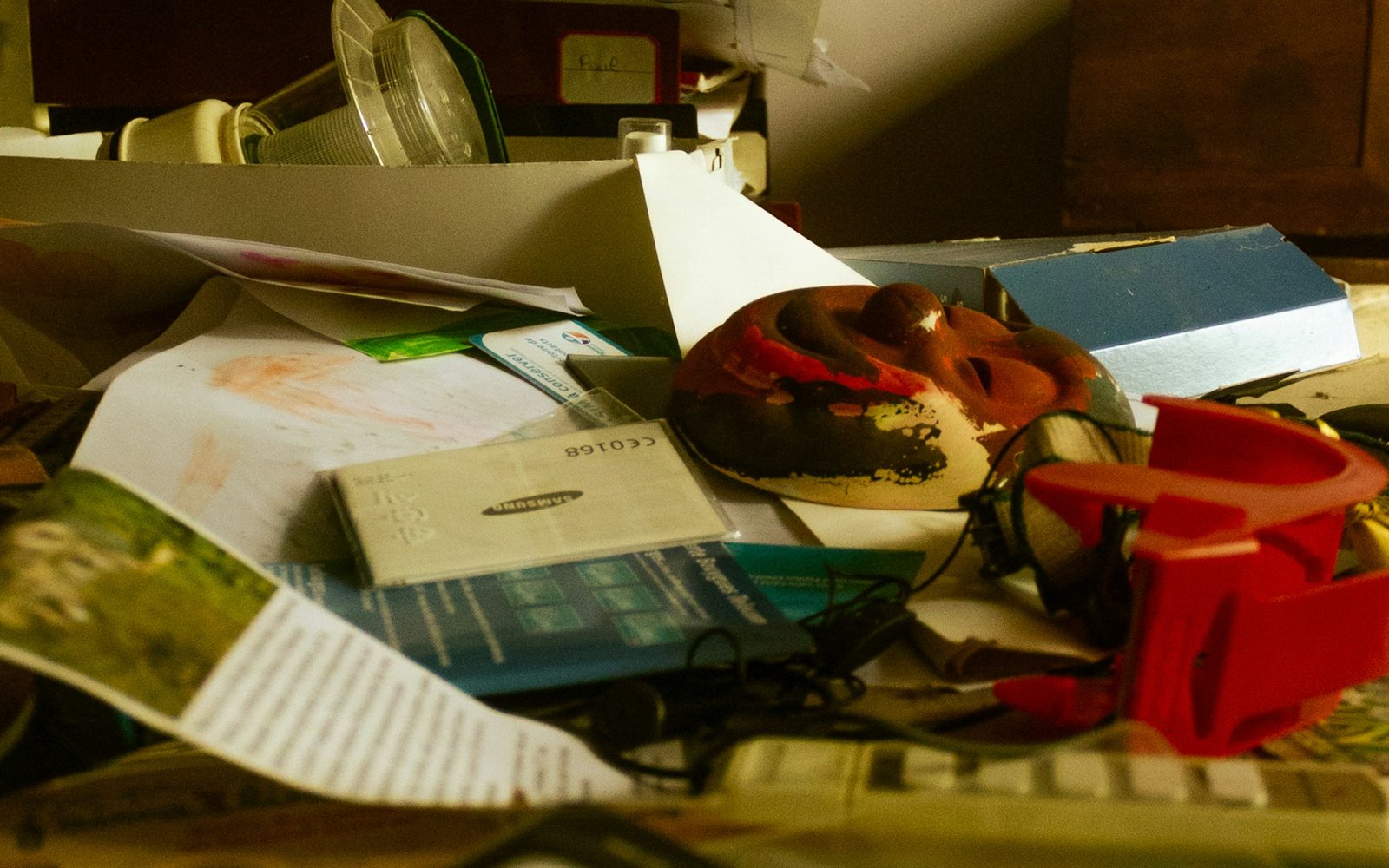
You open a cabinet, look at what's inside, and close it again. Not today. Maybe this weekend.
If that's you, it's not laziness. A whole house of stuff is a decision-heavy project, and your brain avoids it for the same reason it avoids any task that feels too big to start. The fix isn't more willpower. It's a smaller starting point.
Why "start with the worst room" doesn't work
The advice usually goes: tackle the biggest mess first. But the biggest mess is also the one with the most decisions, the most guilt and the most "I'll deal with it later" items. Starting there is how people give up on day 2.
A better rule: start where the decisions are easy.
A beginner order that works
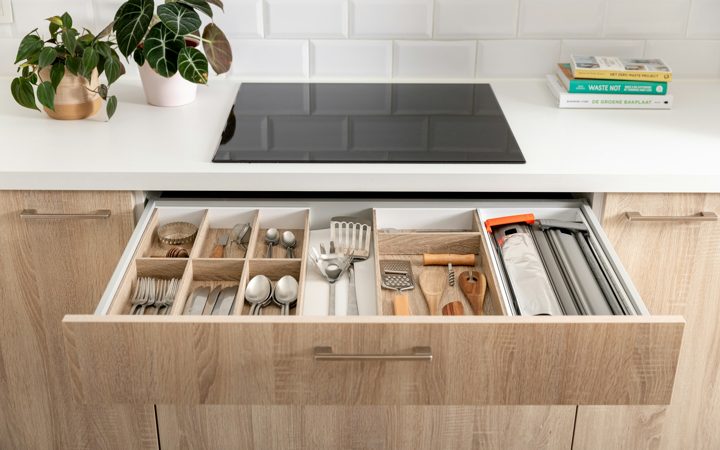
- A junk drawer. Small, no emotion, and you'll see the result in 10 minutes.
- The bathroom cabinet. Expired products, duplicates and empty bottles are clear "yes, toss" items.
- Your car or entryway. Things that don't belong there are easy to spot.
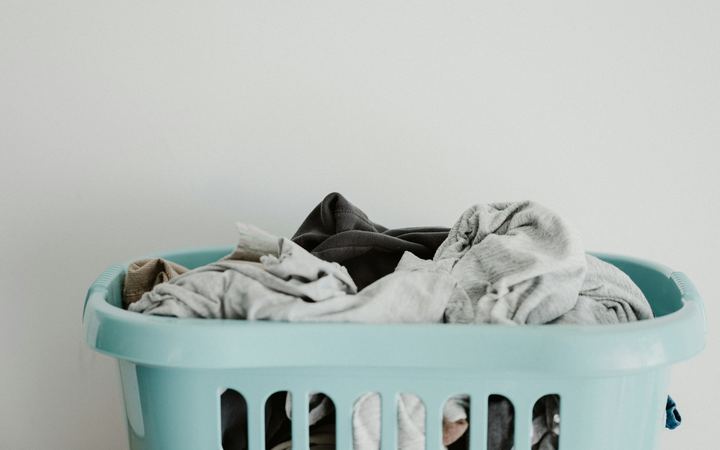
- Clothes you already know you don't wear. The ones you never reach for, not the ones you feel unsure about.
- Paper. Bills and mail have simple rules (keep, shred, recycle).
- Last: sentimental things and the garage. By now you've had practice making decisions.
Notice the pattern: easy first, hard last. By the time you reach the box of old photos, you've made dozens of small decisions and the big one feels less big.
3 rules that make it stick
- 15 minutes, then stop. Set a timer. Stopping on time is what lets you come back tomorrow without dread.
- One small area, not a whole room. A drawer, a shelf, one corner of a closet. A room is a project. A drawer is a task.
- Take it out of the house within 48 hours. Bags in the hallway turn into a new pile. Put the donation bag in the car and drop it off on your next errand.
When you're not sure about an item
Ask 2 questions: Have I used it in the past year? Would I buy it again today? 2 honest "no" answers usually mean it can go. Still unsure? Put it in a "maybe" box, write today's date on it, and check again in a few months. Pretending you'll decide later without a deadline is how clutter comes back.
Let a plan do the choosing
A big part of the stress is deciding what to do today. That's why a plan helps: someone has already decided the order. The 30-Day Declutter Plan gives you 1 small task a day, easy ones first, with the 4 rules above and a place to track what left your house.
You can also start with the free 100 Things to Let Go Of checklist, organized room by room.
For more on the overwhelmed feeling underneath the mess, see feeling overwhelmed at home. And if you want to try the daily approach right away, read about the 30-day declutter challenge.
Which drawer would you rather nobody opened? Start there.
Questions people ask
What room should I declutter first?
Not the one that bothers you most. Start with something small and low-stakes, like a junk drawer, a bathroom cabinet or your car. Easy wins build the momentum you need for harder spaces.
How long should I declutter each day?
15 minutes is enough to make a difference. Set a timer and stop when it rings, even mid-drawer. Stopping on time is what makes it easy to start again tomorrow.
What if I don't have time for a big declutter?
You don't need one. Small daily sessions add up and don't leave you living in a mess halfway through a weekend project.