Just Engaged? Where to Start Planning a Wedding (in the Right Order)
You said yes and now there are 200 decisions. Here is what to settle first, what to book next, and what can wait, so nothing gets booked before it fits.
 By Victoria · October 27, 2026 · 3 min read
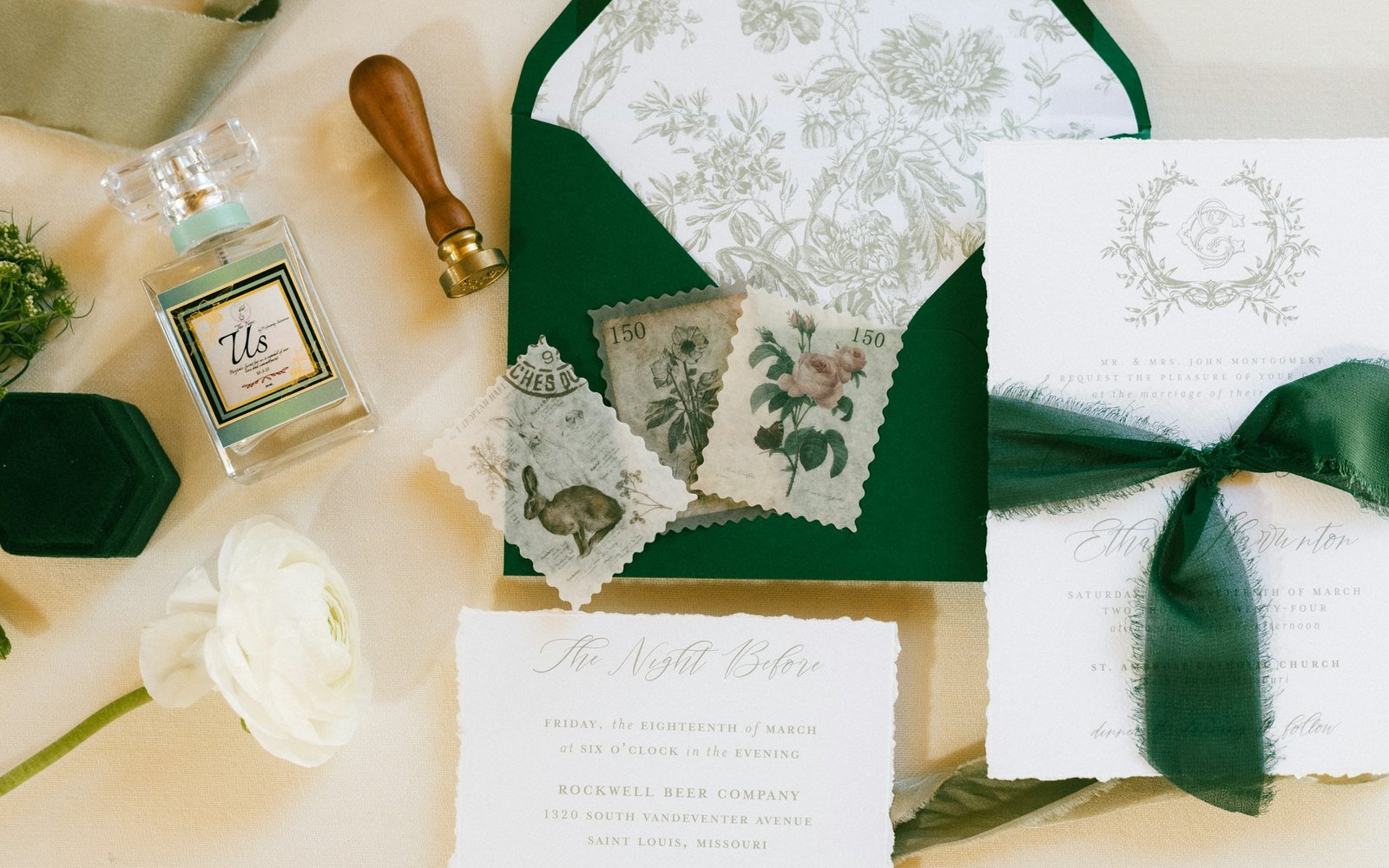
You said yes. Then, within a week, someone asked about the date, someone asked about the venue, and someone asked whether you're having a band. You haven't decided anything yet. You just have a ring and a lot of questions.
Good news: a wedding is a few big decisions and a few hundred small ones, and the order matters more than the speed. Most stress comes from booking things before the big decisions are settled, then finding they don't fit. Here is the order that avoids that.
Step 1: Name your top 3, separately
Before you look at a single venue, each of you writes down the 3 things that matter most. Photos, food, music, attire, the venue, the party. Do it apart first, then compare.
Where your lists overlap is where the money goes. Where they don't, you've just found a conversation worth having now, not in the car on the way to a tasting.
Step 2: Settle the 3 numbers that move together
Every wedding is a trade between the date, the number of guests and the budget. Change one and the other 2 move.
- Guest count: write a rough list first, even a messy one. The number of guests drives almost every other cost. (More on building the list in tiers.)
- Budget: start from what you, and anyone contributing, can actually spend, then split it by category. Have the money conversation early, with everyone who's helping, and write the numbers down.
- Date: pick a season first, then a short list of dates. Off-peak days and months often cost less.
Step 3: Book the venue, then the people who book up first
Everything else is booked for a date and a place, so the venue comes first. After that, the vendors who work one wedding a day: photographer, caterer, music, officiant.
Ask every vendor the same questions and get the answers in writing. We've put together what to ask before you sign alongside the costs that tend to surprise people.
Step 4: Everything that takes time to make
Attire, stationery and rings need lead time, so they come next. Alterations and extra fittings are easy to forget in the budget, so add them early.
Step 5: The last 2 months are confirmations
By then you shouldn't be making new decisions. You're confirming times, counting final RSVPs, giving numbers to the caterer and writing the plan for the day. If you're still choosing flowers in the last month, that's usually a sign that something earlier slid.
What can wait
Plenty can. Favors, the playlist, the photo list and the honeymoon details all matter, just not this month. Put them on a "later" list and let them sit there. If your head already feels full, a 10-minute brain dump gets everything out so you can sort it. And if every choice starts to feel heavy, that's decision fatigue, and it's a reason to decide fewer things per day, not to push harder.
Keep it all in one place
The thing that quietly causes the most trouble is a wedding that lives in 40 browser tabs and one person's head. If you're the one doing the remembering, you may recognize the mental load in it.
The Wedding Planner puts these steps in this order: a section on the big decisions, the budget, guests, vendors, a 12-month timeline, the day itself and the weeks after. It's a 37-page fillable PDF, so you can type in it or print it. It won't plan the wedding for you. You still choose the flowers. You just won't choose them before you know the budget.
Want to start with the money? The free wedding budget checklist lists 16 budget categories and every deposit with its due date.
One thing to do this week
Each of you writes your top 3 on a separate piece of paper, then swap. What do you have in common?
Questions people ask
What should I do first when planning a wedding?
Agree on the date range, the guest count range and the total budget before you book anything. Those 3 move together: change one and the other 2 shift. Then visit and book the venue, because everything else is booked around it.
How far ahead should I start planning?
A 12-month plan is a comfortable frame, with the venue and the vendors who work one wedding a day booked first. With a shorter engagement, keep the same order and compress it. Nothing has to happen in a particular month, only before the thing that depends on it.
Do I need a wedding planner to do this?
Not necessarily. Many couples plan their own wedding with a clear order of tasks and one place for every number. A planner or day-of coordinator is a choice about how much you want to hand off, not a requirement.