Decision Fatigue: How to Make Fewer Decisions Every Day
By 6 p.m., "what's for dinner?" feels like too much. What the research on decision fatigue really says, and how defaults take everyday choices off your plate.

What's for dinner. Which form. What to pack. Who's driving. Whether to go to the thing on Saturday. Each choice is small. It's the number of them that wears you down, especially if you're the one everyone asks.
You've probably heard this called decision fatigue. Here's what the research actually says, and a simple way to make fewer decisions without becoming rigid about it.
What the research really says
The idea of decision fatigue became famous after a study of parole judges. It seemed to show that their decisions got harsher as the morning wore on, then softened after a food break. The neat explanation: each decision uses up a little willpower.
Later researchers weren't so sure. Some pointed out that the order of cases wasn't random. A 2025 study of more than 230,000 real decisions made by nurses found no general decision-fatigue effect at all. So the "willpower battery" story is shakier than it sounds.
What isn't in doubt is something simpler. An undecided thing stays on your mind. Research on unfinished goals shows they keep interrupting your thinking until you make a plan for them. Every open "what should we…" question is one more of those.
So the goal isn't to protect a mythical willpower battery. It's to close the questions that keep coming back.
The invisible work of deciding
Sociologists who study housework describe a layer most people never see: noticing what's needed, weighing the options, deciding, and keeping track of how it went. In many homes one person does most of it. It's a big part of the mental load, and it doesn't show up on any chore chart.
If you're the default decider at home or at work, the tiredness is real, whatever the lab studies say.
Three ways to decide less
1. Decide once
Turn repeat choices into defaults: an answer you've decided ahead of time and written down. Some examples:
- Weeknight dinners: a theme per night. Monday pasta, Tuesday tacos, Wednesday soup, Thursday leftovers.
- The no-energy dinner: three no-cook backups always in the house.
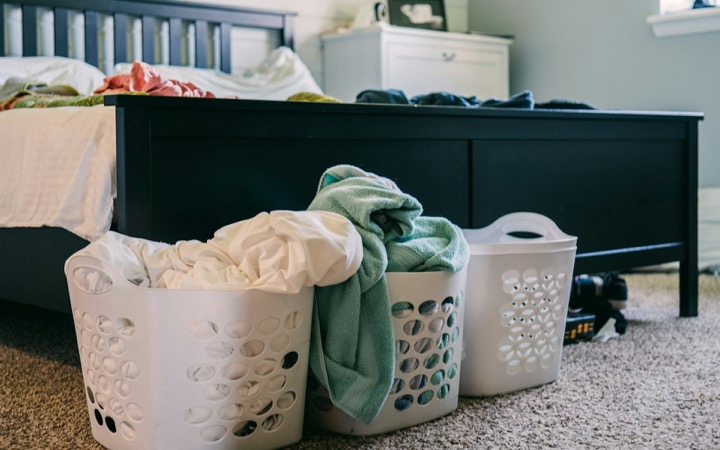
- Laundry: two set days, start to finish.
- Gifts: a book and a handwritten card.
- Invitations: "Let me check and get back to you tomorrow." Every time.
- Small purchases: under $30, buy it or don't, no research. Over $30, wait 48 hours.
A default doesn't have to be clever. It just has to answer the question before it's asked.
2. Set a good-enough bar
Before you start comparing options, write down what would make one fine. "Under $40, arrives by Friday, decent reviews." Then pick the first option that clears the bar, and stop looking.
This is how you avoid spending an hour choosing a $15 item. We've written more about why good enough is enough in most of daily life.
3. Hand over the decision, not just the task
"Can you pick a restaurant?" is still your job if you veto the choice. When you hand something over, hand over the deciding, too, and let their answer stand. That's how a decision actually leaves your head.
Make a "decide once" list
Spend fifteen minutes this week writing defaults for the choices that come up most. Don't try to do everything at once. Pick the five that make you sigh at 6 p.m.:
- Write the decision ("weekday breakfast").
- Write your default ("oatmeal or yogurt, alternating").
- Put the list where you'll see it: on the fridge, or in your phone's notes.
Then use it for a month before you change anything. Repeating is the point.
Defaults aren't rules
Break one whenever you want. Order takeout on pasta night. Spend an hour choosing the perfect gift for someone you love. The point isn't to never decide. It's to only decide when you want to, not because the day forces you to.
If decisions are just one part of feeling like it's all too much at home, this piece on being overwhelmed at home covers the rest.
One thing to do today
Pick tonight's dinner and the next three, right now, in under two minutes. Write them down. Notice how it feels to have the 6 p.m. question already answered.
Questions people ask
Is decision fatigue real?
The research is mixed. Some well-known studies suggested that decisions wear down willpower, but later work has questioned them. What's well established is that undecided things keep coming back to your mind. Making repeat choices once is a practical fix either way.
What are examples of decisions I can automate?
Weeknight dinners, breakfast, lunch, laundry days, what to wear on busy days, how you answer invitations, gifts, and when you pay bills. Our free guide lists 25 of them, each with an example default.
Won't defaults make life boring?
Only if you treat them as rules. A default is the answer you use when you don't feel like deciding. You can break it any time you want, and you'll have more energy for the choices you actually enjoy.